

From the Blog
Latest updates, stories, and technological insights from the world of Sanitation Robotics.
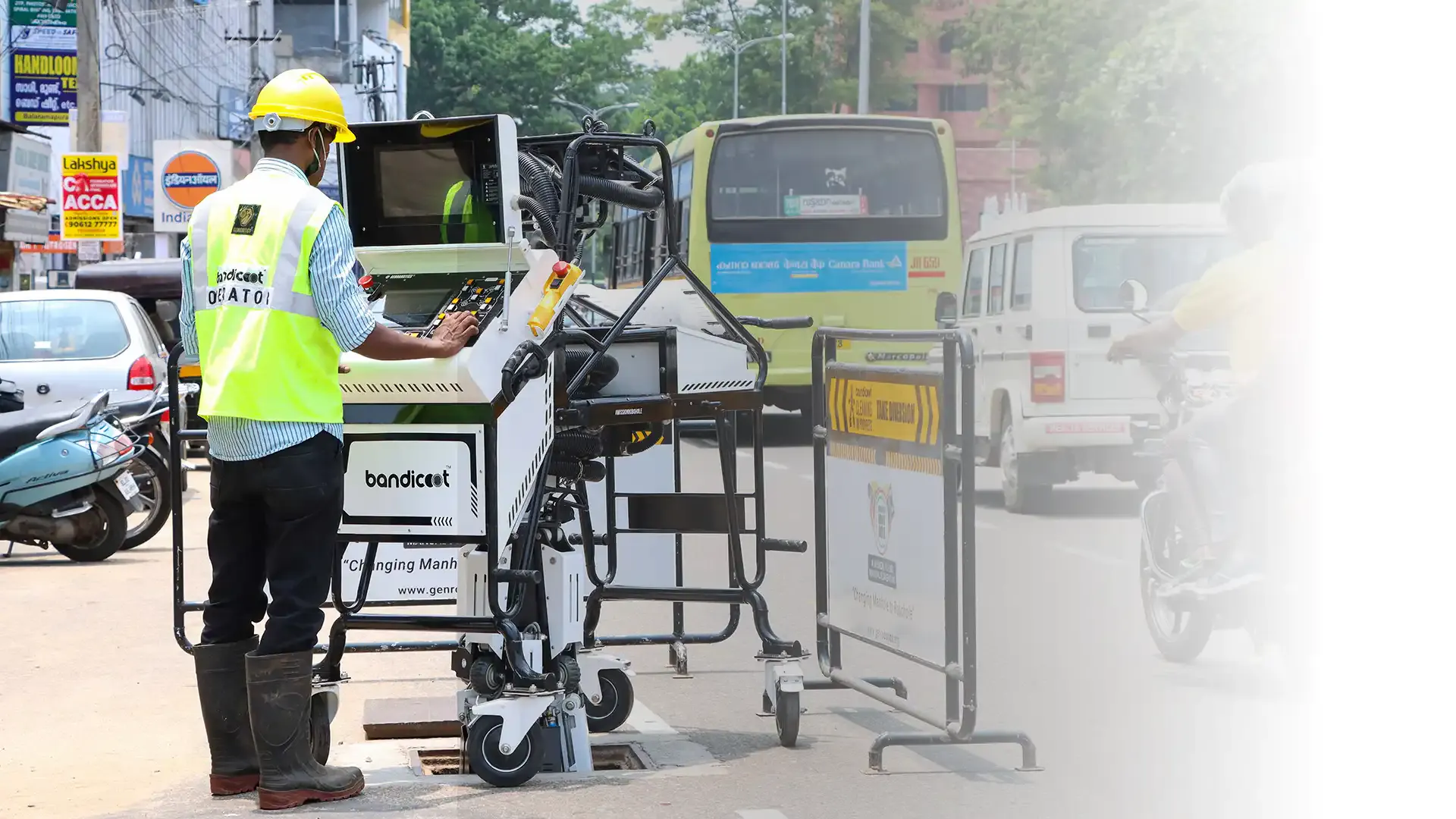
The Future of Public Infrastructure Is Autonomous
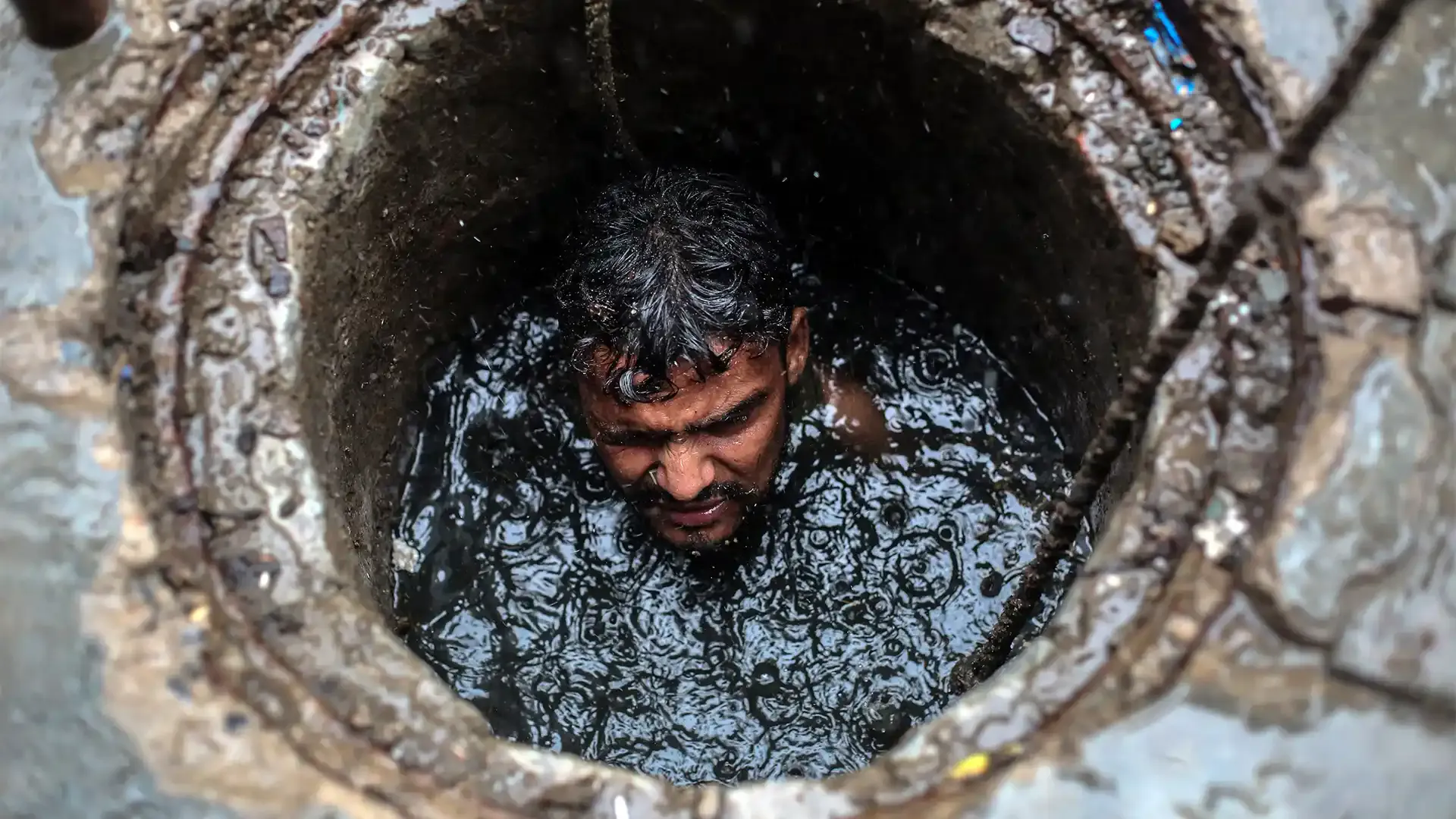
Somewhere in India right now, a man is climbing into a manhole. No safety gear. No backup. Just him, the dark, and whatever is waiting below methane, hydrogen sulphide, carbon monoxide. Gases that knock you out in seconds and kill you in minutes.
Can Smart Cities Become Truly Smart Without Smart Sanitation?
A city can deploy intelligent traffic signals, digital governance platforms, integrated command centres, and connected public services. It can monitor air quality in real time, optimize energy consumption, and manage urban mobility with artificial intelligence. Yet if a blocked sewer floods a neighbourhood, a drainage network fails during heavy rain, or workers must still enter hazardous manholes to maintain essential infrastructure, an uncomfortable question emerges. How smart is a city if one of its most critical public systems still relies on outdated methods? As India's Smart Cities Mission continues to redefine urban development, sanitation is becoming more than a public health concern. It is emerging as a measure of how intelligently cities manage the infrastructure that citizens rarely see but rely on every day.
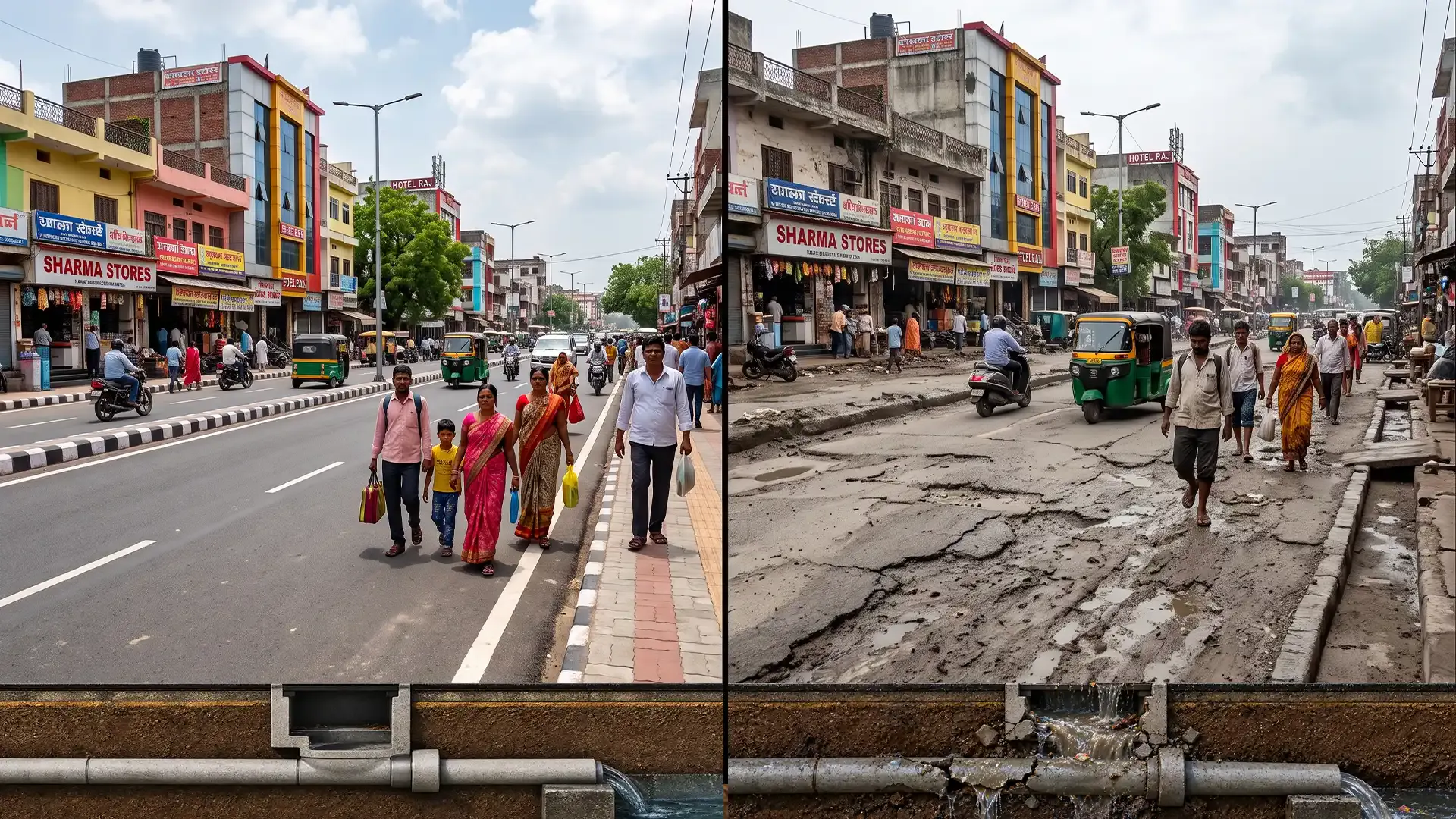
Can Municipal Corporations Meet Climate Goals Without Modern Drainage Systems?
Cities often announce ambitious climate action plans that focus on renewable energy, electric mobility, green buildings, and carbon reduction. These initiatives are essential, but they overlook a critical piece of urban resilience that lies entirely out of sight. Every extreme rainfall event, flooded street, or overflowing drain reveals the same uncomfortable truth: climate preparedness depends just as much on underground infrastructure as it does on visible sustainability projects. As climate risks intensify, urban sanitation in India is becoming a defining factor in whether municipal corporations can genuinely achieve their environmental and resilience goals. The question is no longer whether drainage systems require modernization. It is whether cities can afford to delay it.
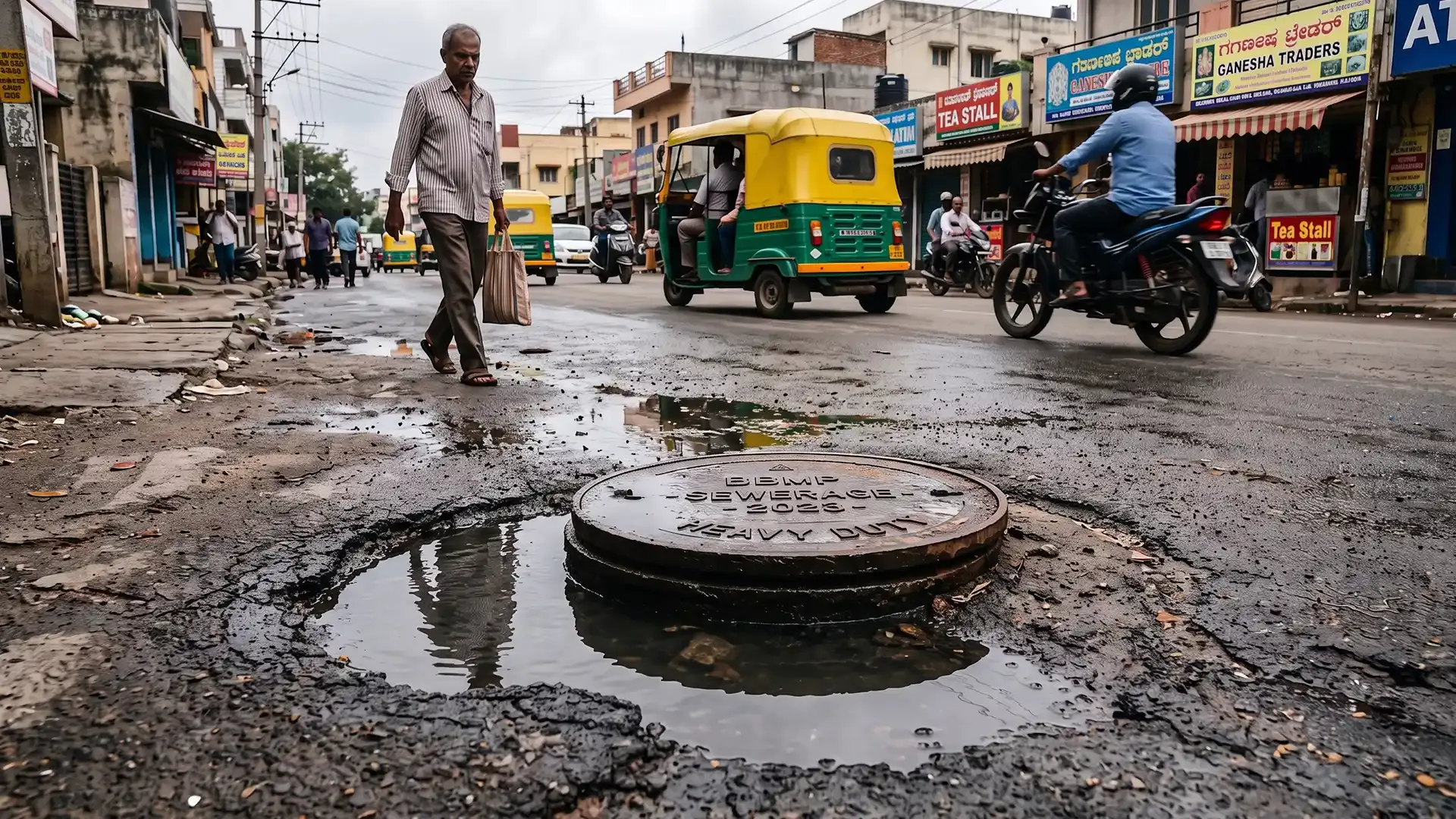
Why Predictive Sewer Maintenance Matters
Most sewer failures do not happen without warning. A blockage begins as a gradual accumulation of debris. A structural crack slowly widens under repeated stress. Corrosion weakens a pipeline over months or even years. By the time a manhole overflows or an emergency maintenance crew is deployed, the problem has usually been developing long before it became visible. This is one of the biggest challenges in urban sanitation. Municipalities often respond to failures instead of preventing them. As cities expand and underground utility networks become increasingly complex, predictive sewer maintenance is emerging as a practical strategy for improving infrastructure reliability while creating safer working conditions for sanitation workers.
Sewer Deaths in India: Why Mechanisation Cannot Wait
Every sewer death raises the same uncomfortable question: why are people still entering hazardous underground spaces when safer technologies already exist? India has introduced stronger legislation, expanded sanitation programmes, and launched targeted welfare initiatives to protect sanitation workers. Yet fatal accidents during sewer and septic tank maintenance continue to make headlines with unsettling regularity. The challenge is no longer one of awareness—it is one of execution. As the NAMASTE Scheme gains momentum, its long-term success will depend not only on policy implementation but also on how effectively cities replace hazardous manual practices with engineering-led solutions.
Swachh Bharat Mission 2.0: The Road from Cleanliness to Safe Sanitation
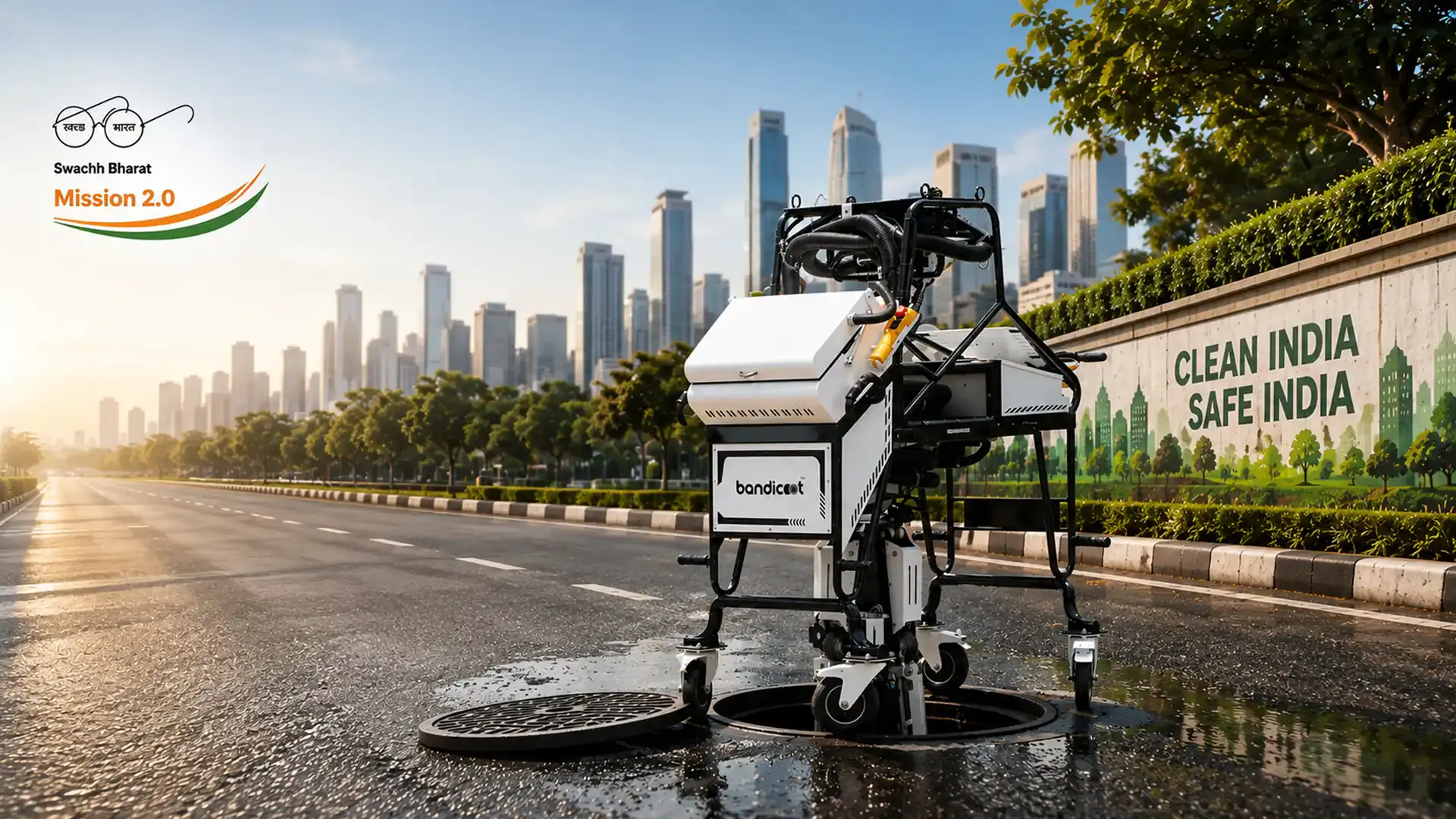
For decades, India's sanitation conversation was largely centred on one visible outcome—cleaner surroundings. Cleaner streets, better waste collection, and improved public hygiene became the benchmarks of progress. Yet the evolution of urban infrastructure has revealed a deeper reality: cleanliness alone cannot define a modern sanitation ecosystem. As cities expand and underground utility networks grow more complex, sanitation must also be measured by worker safety, infrastructure resilience, and technological capability. This is precisely where Swachh Bharat Mission 2.0 marks an important transition. The mission is no longer only about creating cleaner cities; it is increasingly shaping a future where sanitation becomes safer, smarter, and more sustainable.