The Inefficiencies of Traditional UGD Management
Moving from Reactive Response to Proactive Management
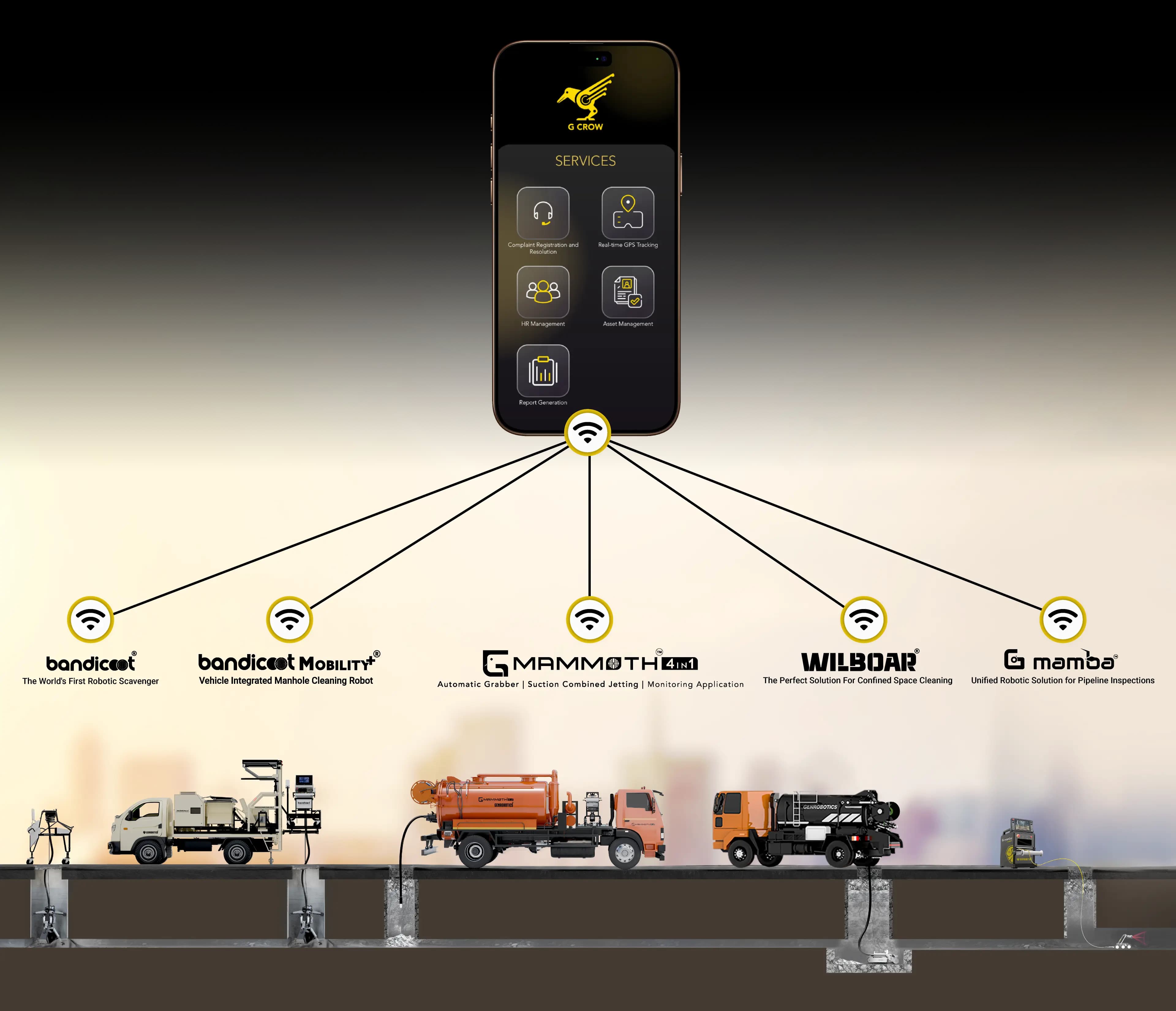
Traditional management of Underground Drainage (UGD) systems relies heavily on manual record-keeping, guesswork, and reactive maintenance. This often leads to significant inefficiencies:
- Lack of Real-time Data: Without live monitoring, authorities are often unaware of blockages or overflows until they become critical public issues.
- Inefficient Resource Allocation: Field teams are dispatched without precise information, leading to wasted time, fuel, and manpower.
- No Accountability: It is difficult to track if cleaning tasks were completed, their duration, and the performance of the crew.
- Delayed Response Times: Citizen complaints often get lost in bureaucratic processes, leading to public dissatisfaction and health hazards.