From the Blog
Latest updates, stories, and technological insights from the world of Sanitation Robotics.

Latest updates, stories, and technological insights from the world of Sanitation Robotics.
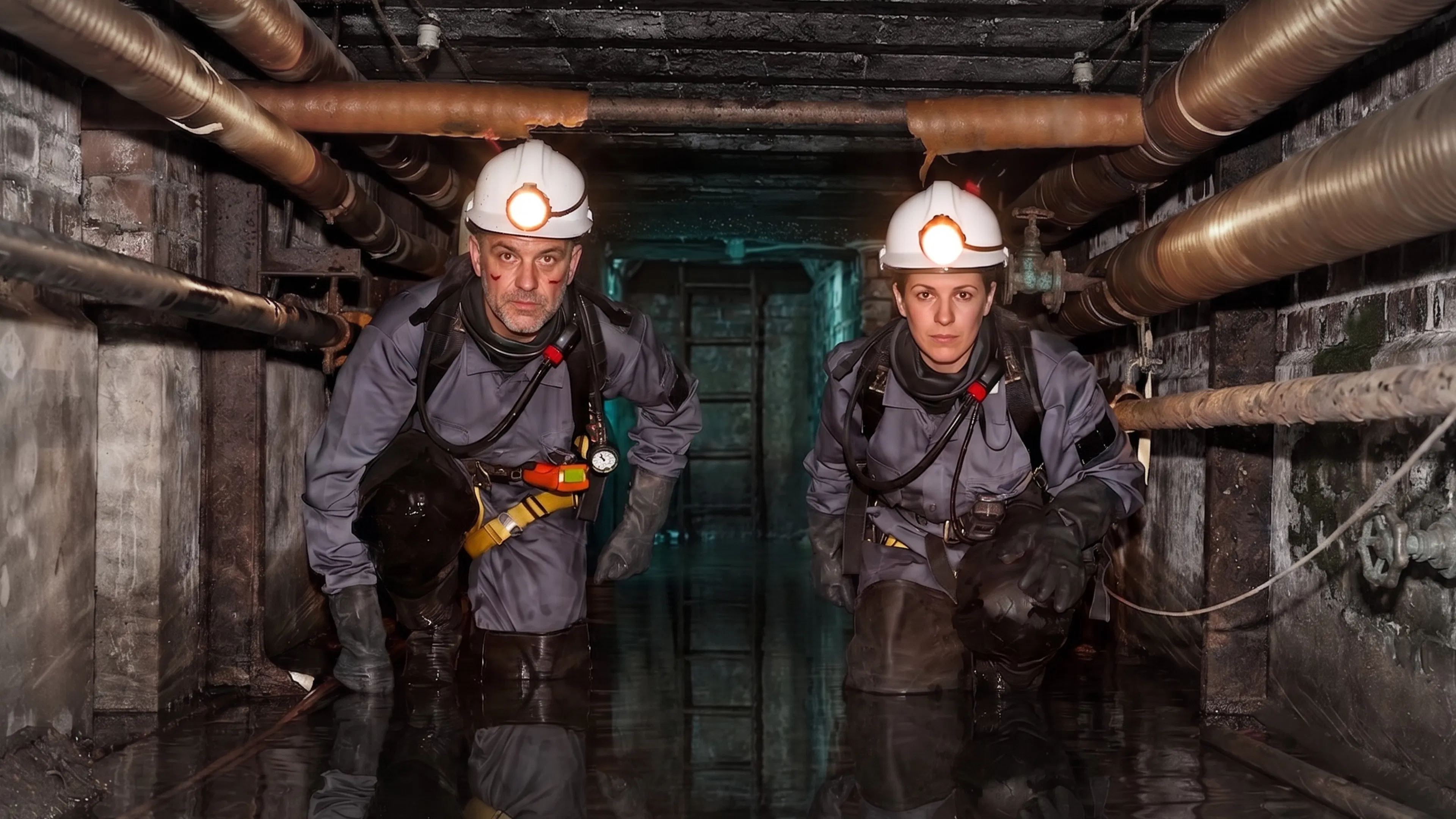
Confined space inspection is the process of assessing enclosed environments such as manholes, sewer lines, storage tanks, and underground chambers. It helps detect risks early and ensures that critical infrastructure functions safely. We rarely see these environments, yet they support everything above ground. When inspection is delayed or inconsistent, small issues can quickly turn into system failures. Blockages, gas buildup, and structural damage often remain hidden until disruption occurs. This is why confined space inspection is essential. It allows us to understand what is happening inside these hidden systems and act before problems escalate.
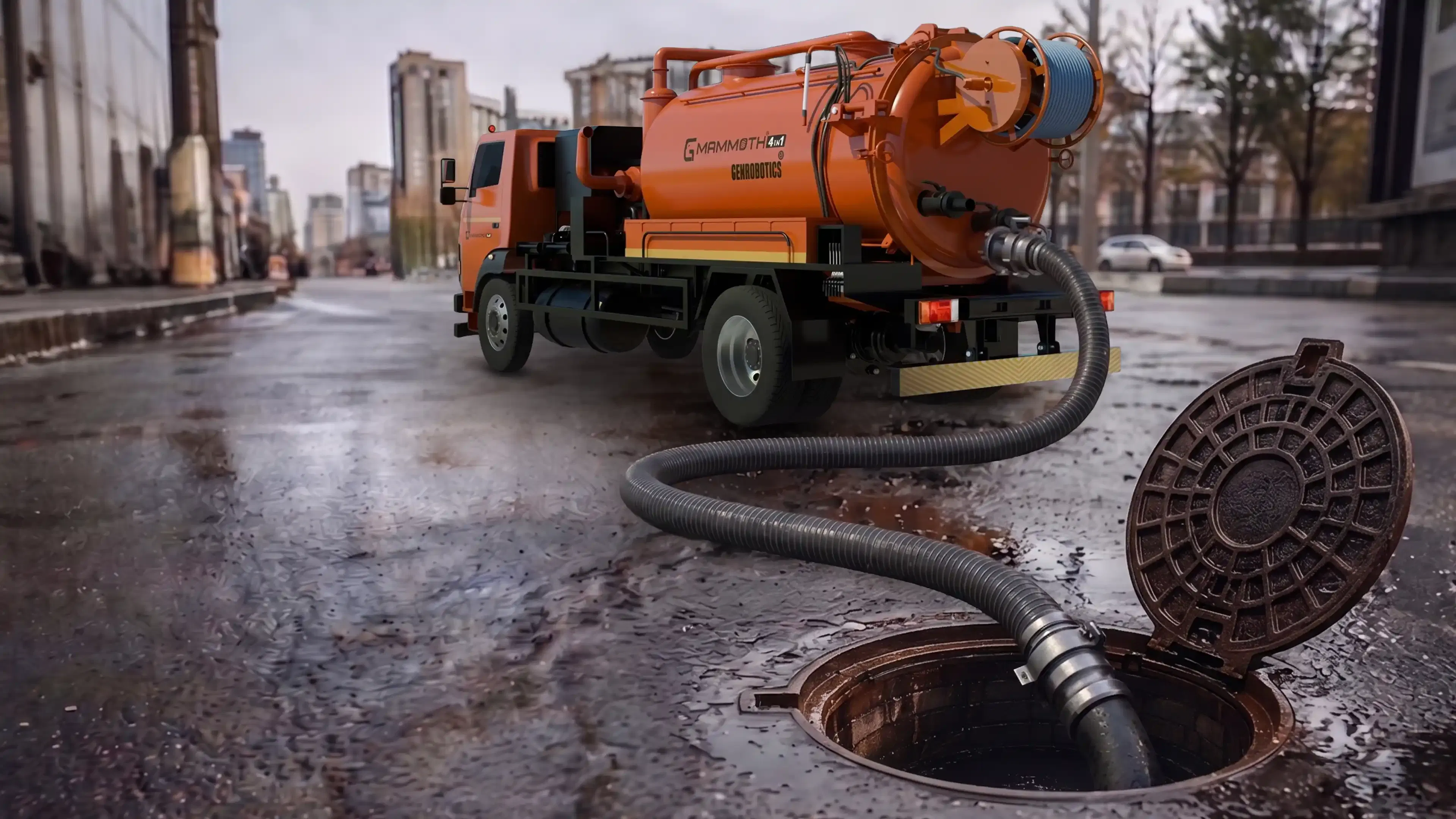
Urban sewer networks face challenges such as aging infrastructure, population growth, waste accumulation, limited visibility, hazardous conditions, inconsistent maintenance, and climate impact. These factors make maintenance complex and require advanced solutions like automated sewer inspection and modern drain cleaning equipment. When we think about a city, we often focus on what is visible. Roads, buildings, traffic, and daily movement. But beneath all of it lies a hidden system that quietly keeps everything running. Urban sewer networks. These systems carry wastewater, manage stormwater, and prevent flooding. When they work well, they go unnoticed. When they fail, the impact is immediate. Maintaining them is not simple. It requires constant monitoring, timely cleaning, and the ability to respond to unpredictable conditions. As cities grow, these challenges become more complex. Let us look at the seven key challenges that define urban sewer maintenance today.
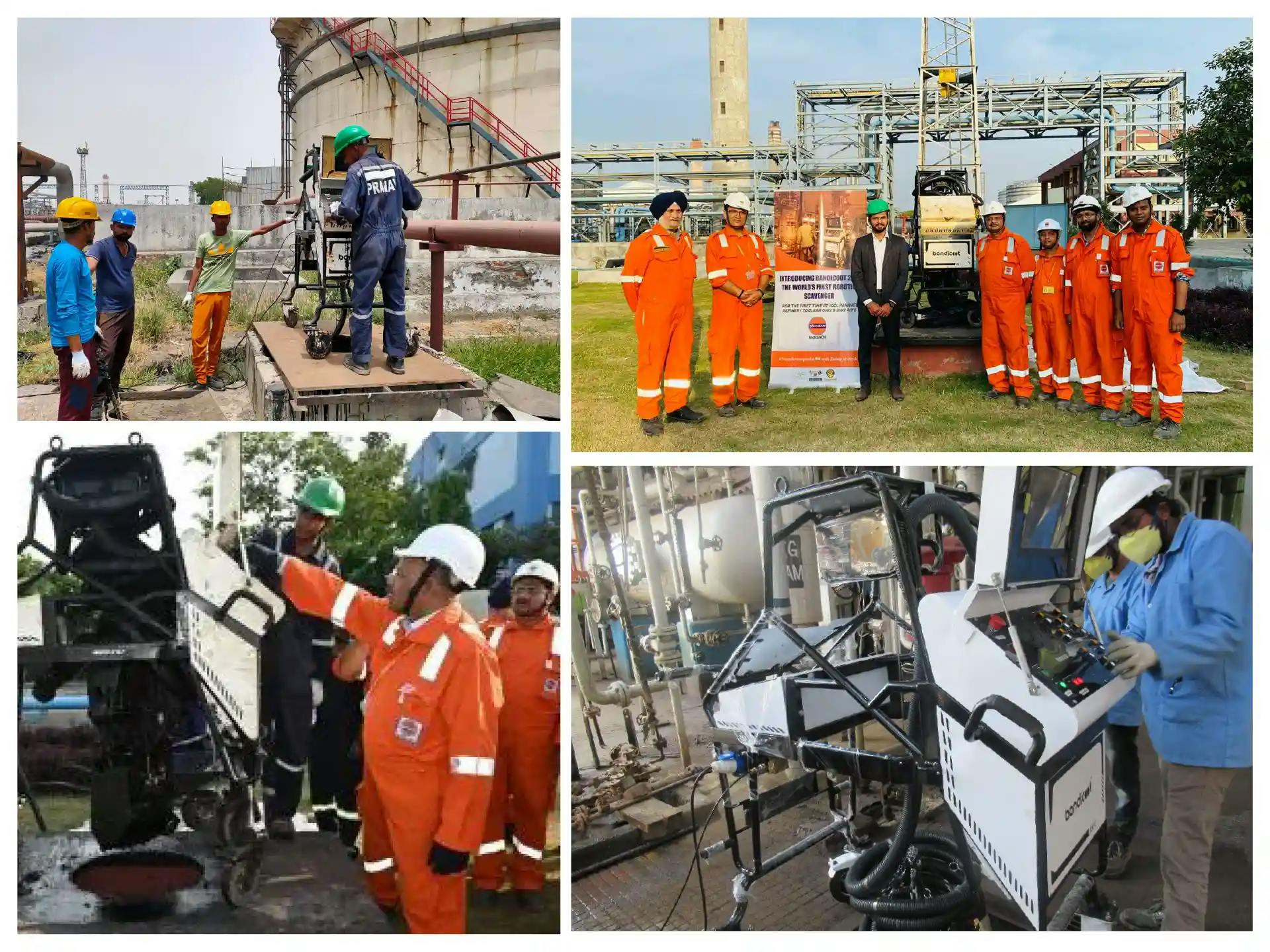
We often assume that real change requires large investments or system wide reforms. In reality, change can begin with a single intervention placed in the right environment. This article explains how one robotic system can improve safety, reshape workflows, and influence entire industries, especially through the work of a robotics startup India and the rise of next generation robotics for industry and healthcare.
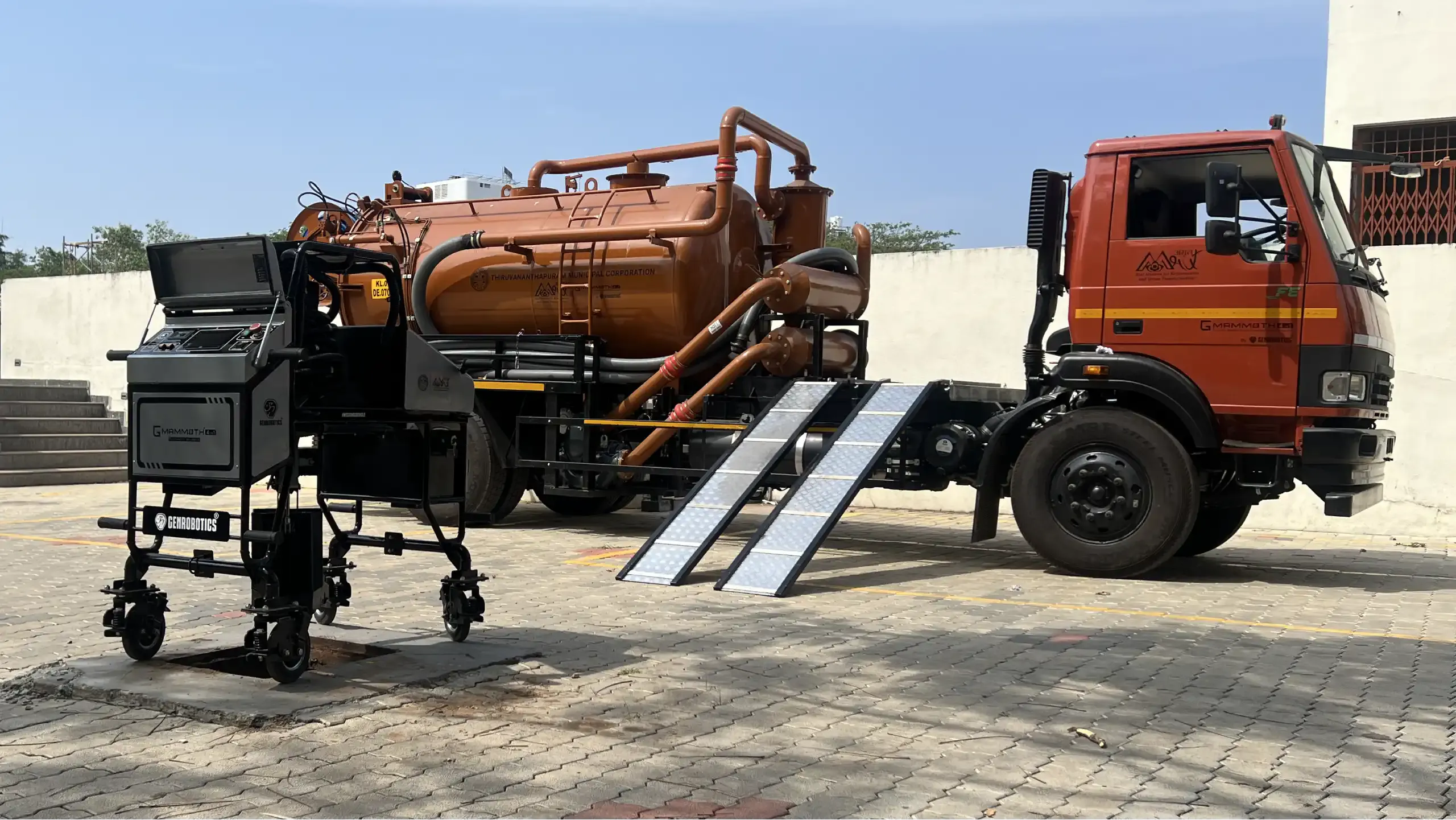
Urban flooding has become a growing challenge in many cities. Rapid urbanization, aging drainage infrastructure, and unpredictable rainfall patterns are placing enormous pressure on sewer systems. One of the most effective ways to address this challenge is through advanced drain cleaning equipment, which plays a vital role in modern smart water management strategies.
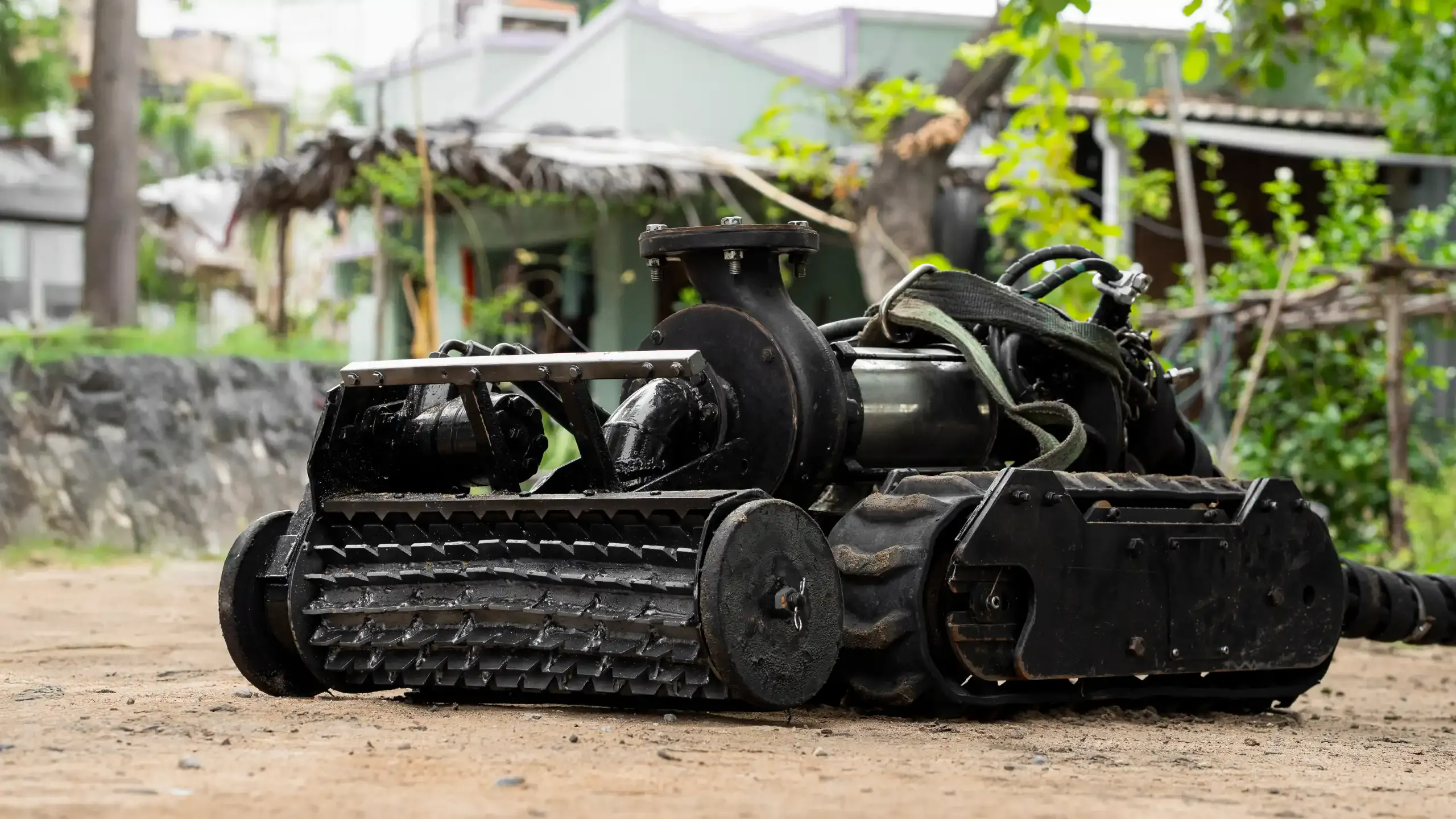
Urban sanitation departments play a critical role in protecting public health, preventing flooding, and maintaining the smooth functioning of cities. At the center of this responsibility is one essential task: keeping sewer and drainage networks clean and operational.
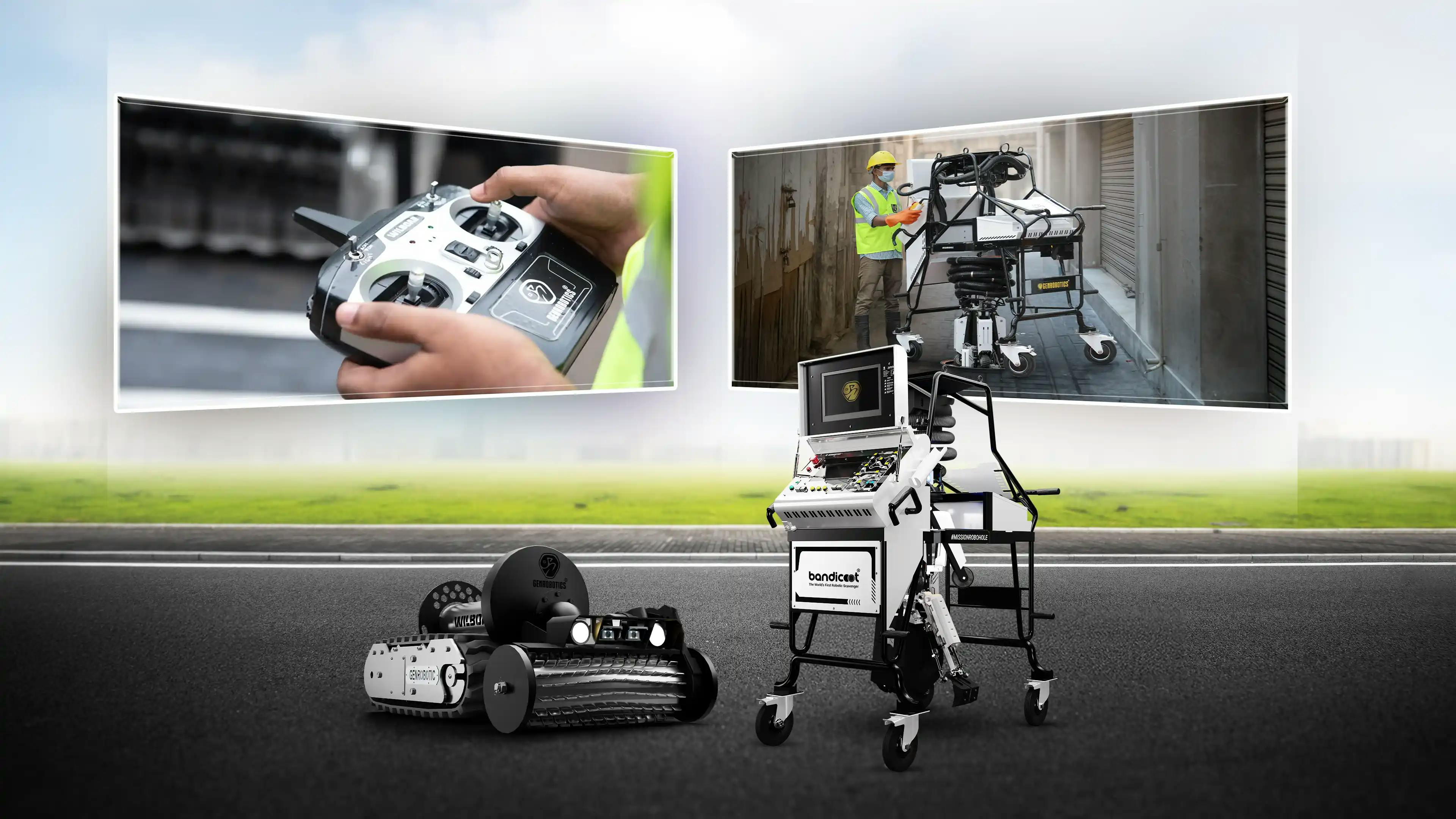
Cities across India and the world are growing at an unprecedented pace. Rapid urbanisation, population density, climate variability, and aging underground infrastructure are putting enormous pressure on water and wastewater systems.