
Here are the technologies Used in Confined Space Inspection
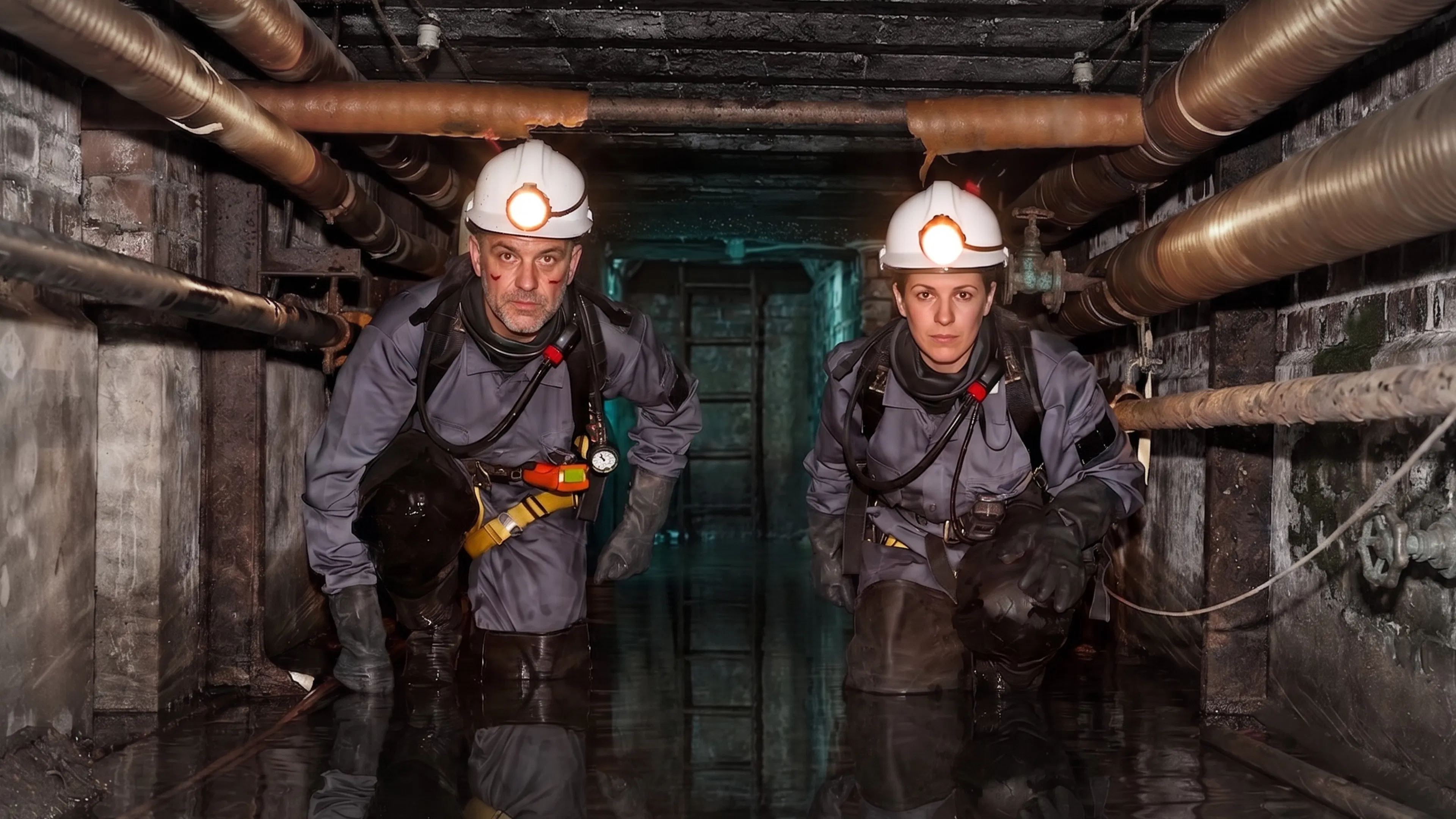
Confined space inspection is the process of assessing enclosed environments such as manholes, sewer lines, storage tanks, and underground chambers. It helps detect risks early and ensures that critical infrastructure functions safely.
We rarely see these environments, yet they support everything above ground. When inspection is delayed or inconsistent, small issues can quickly turn into system failures. Blockages, gas buildup, and structural damage often remain hidden until disruption occurs.
This is why confined space inspection is essential. It allows us to understand what is happening inside these hidden systems and act before problems escalate.
What is confined space inspection and why does it matter?
Confined space inspection is the process of assessing enclosed environments such as manholes, sewer lines, storage tanks, and underground chambers. It helps detect risks early and ensures that critical infrastructure functions safely.
We rarely see these environments, yet they support everything above ground. When inspection is delayed or inconsistent, small issues can quickly turn into system failures. Blockages, gas buildup, and structural damage often remain hidden until disruption occurs.
This is why confined space inspection is essential. It allows us to understand what is happening inside these hidden systems and act before problems escalate.
How has confined space inspection evolved over time?
Confined space inspection has evolved from manual entry to technology driven methods.
Traditionally, workers entered manholes and underground chambers to inspect conditions. While effective in some cases, this approach exposed them to toxic gases, low oxygen levels, and restricted movement.
Today, technology has changed this process. Inspection is now performed using remote systems that reduce human risk while improving accuracy.
This shift is not just about efficiency. It is about creating safer and more reliable inspection methods.
What is robotic manhole inspection?
Robotic manhole inspection is the use of robotic systems to inspect underground spaces without human entry.
These robots are equipped with cameras, sensors, and mobility systems. They navigate confined environments and provide real time data to operators.
This approach offers two key advantages:
- Continuous visibility inside pipelines and chambers
• Early detection of structural and operational issues
Instead of relying on limited manual observation, teams now have access to consistent and detailed insights.
What technologies are used in confined space inspection?
Confined space inspection uses a combination of technologies that work together to improve visibility, safety, and accuracy.
Visual inspection systems
Visual systems provide real time images and videos from inside confined spaces.
High resolution cameras allow engineers to identify:
- Cracks and structural damage
• Waste buildup and blockages
• Pipeline misalignment
• Signs of corrosion
This transforms inspection from guesswork into clear observation.
Sensor based environmental monitoring
Sensors measure environmental conditions inside confined spaces.
They detect:
- Gas levels such as methane and hydrogen sulfide
• Oxygen concentration
• Temperature and pressure changes
• Flow variations
These readings help assess both safety and system performance.
In robotic manhole inspection, sensors act as the system’s awareness.
Mobility and navigation systems
Mobility systems enable robots to move through complex and restricted environments.
Confined spaces often include uneven surfaces, narrow pathways, and unpredictable obstacles.
Robots use:
- Wheel based systems for traction
• Tracked systems for stability
• Adaptive movement for different terrains
This ensures that inspection can reach areas that are otherwise inaccessible.
Integration with manhole cleaning robot systems
A manhole cleaning robot complements inspection by removing debris and improving access.
Cleaning and inspection together create a more effective process:
- Debris removal improves visibility
• Blockage clearance allows deeper inspection
• Combined operations reduce downtime
This integration makes maintenance more efficient and complete.
Data collection and analysis
Modern inspection systems collect and analyze data during every operation.
This includes visual data, sensor readings, and performance metrics.
Data helps teams:
- Track system condition over time
• Identify recurring issues
• Plan maintenance schedules
• Make informed decisions
Inspection is no longer limited to observation. It becomes measurable and predictive.
Remote operation and control
Remote control systems allow operators to manage inspection without entering hazardous spaces.
Operators can:
- Guide robotic movement
• Monitor live data
• Respond to changing conditions
This reduces exposure to risk and allows longer, more consistent inspection sessions.
Why are these technologies important?
These technologies improve safety, accuracy, and efficiency in confined space inspection.
Key benefits include:
- Reduced need for human entry into hazardous environments
• Improved consistency in inspection results
• Faster identification of problems
• Better planning of maintenance activities
• Increased operational safety
These improvements directly impact how infrastructure is maintained and managed.
What does the future of confined space inspection look like?
The future of confined space inspection is focused on automation and intelligence.
Emerging developments include:
- More autonomous robotic manhole inspection systems
• Advanced data analysis for predictive maintenance
• Integration with smart infrastructure systems
• Wider adoption across industries
These advancements will continue to reduce risk while improving system reliability.
Conclusion
Confined space inspection is a critical part of maintaining urban and industrial infrastructure.
What was once a manual and high risk process is now being transformed by technology.
Through robotic manhole inspection, sensor based monitoring, and the use of systems like the manhole cleaning robot, inspection has become safer, more accurate, and more efficient.
The focus is no longer just on accessing confined spaces.
It is on understanding them with clarity and precision.
As technology continues to evolve, confined space inspection will move toward a future where hidden systems are no longer uncertain, but fully visible and manageable.
FAQ
What is robotic manhole inspection?
Robotic manhole inspection uses robots equipped with cameras and sensors to inspect underground spaces without human entry.
Why is confined space inspection important?
It helps detect blockages, structural damage, and hazardous conditions early, preventing system failures.
How does a manhole cleaning robot help inspection?
It removes debris and improves visibility, allowing more accurate inspection of confined spaces.
What technologies are used in confined space inspection?
Key technologies include cameras, sensors, mobility systems, data analysis tools, and remote control systems.
Is manual inspection still used today?
Manual inspection is still used in some cases, but technology driven methods are becoming the preferred and safer approach.