Robotic Scavenging
Automating the extraction of solid waste and sludge from manholes and sewers.


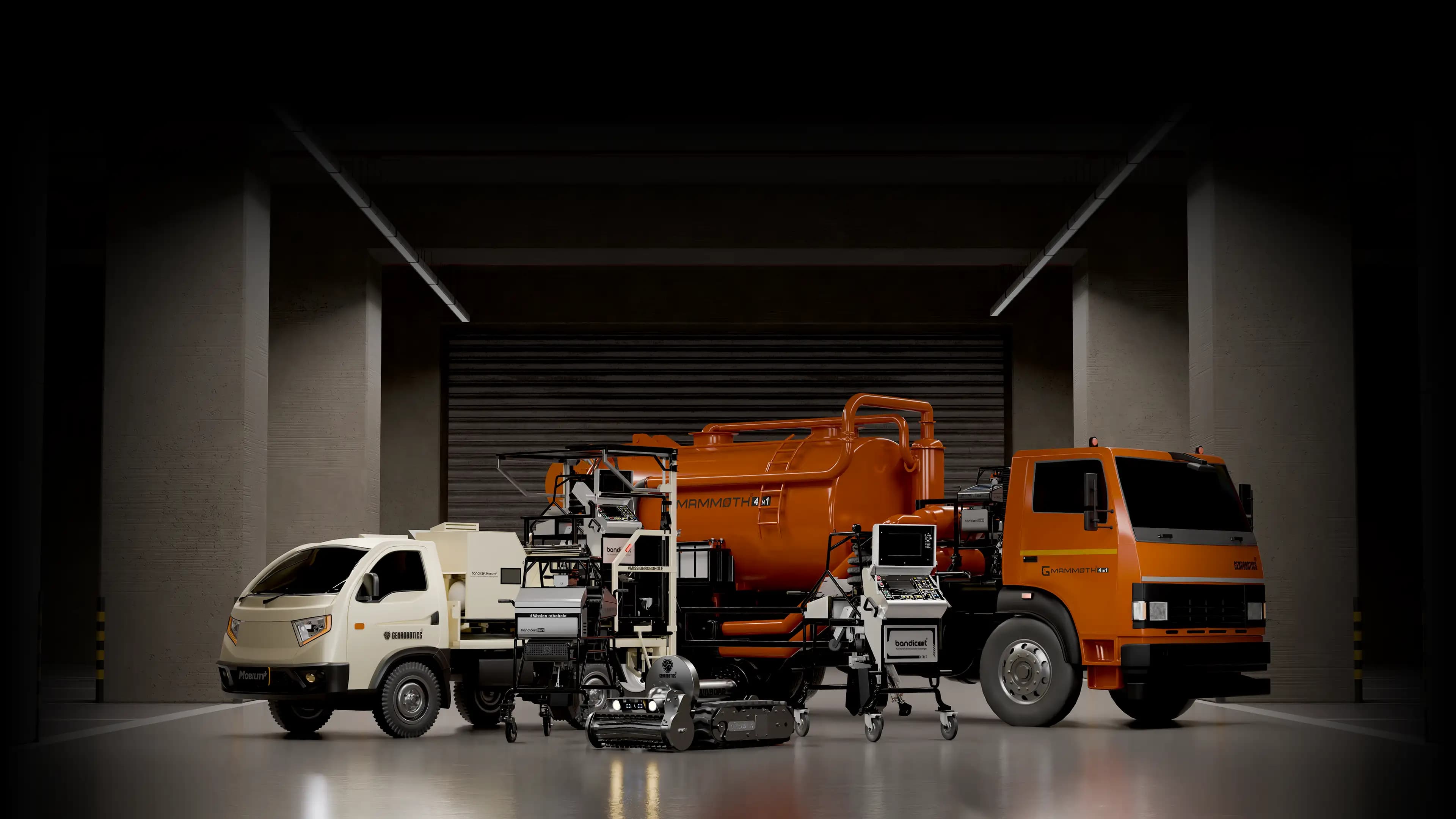
We are the specialized division of Genrobotics dedicated to a single, critical mission: replacing human entry in hazardous confined spaces with advanced robotics.
Before Genrobotics introduced Bandicoot, sanitation workers continued to face significant risks while undertaking hazardous manhole cleaning operations. While conventional suction and jetting technologies addressed certain aspects of sewer maintenance, the need for robotic solutions that could enter manholes and mechanise manual cleaning remained largely unaddressed.


We didn't just build a product. We built the world's first robotic scavenger, Bandicoot, and sparked a global movement.

Our division was established to operationalise the Bandicoot innovation. What began as a solution for manholes quickly revealed a larger gap in industrial safety.

Manholes were just the beginning. On our journey, we built more robots to solve different hazardous problems, creating specialized machines for sewers, open drains, and industrial tanks.

Innovation never stops. We are continuing to research and develop new robotic solutions for emerging sanitation and confined space challenges.

Today, we are the authorities in this niche. From the United Nations to the Supreme Court of India, our technology is cited as the benchmark for eliminating manual hazardous cleaning.
Our division was established to operationalise the Bandicoot innovation. What began as a solution for manholes quickly revealed a larger gap in industrial safety.
Manholes were just the beginning. On our journey, we built more robots to solve different hazardous problems, creating specialized machines for sewers, open drains, and industrial tanks.
Innovation never stops. We are continuing to research and develop new robotic solutions for emerging sanitation and confined space challenges.
Today, we are the authorities in this niche. From the United Nations to the Supreme Court of India, our technology is cited as the benchmark for eliminating manual hazardous cleaning.
The Sanitation Tech vertical does not make general-purpose robots. We specialize exclusively in Confined Space Management (CSM). If a space is too toxic, too narrow, or too deep for a human, we build the technology to manage it.
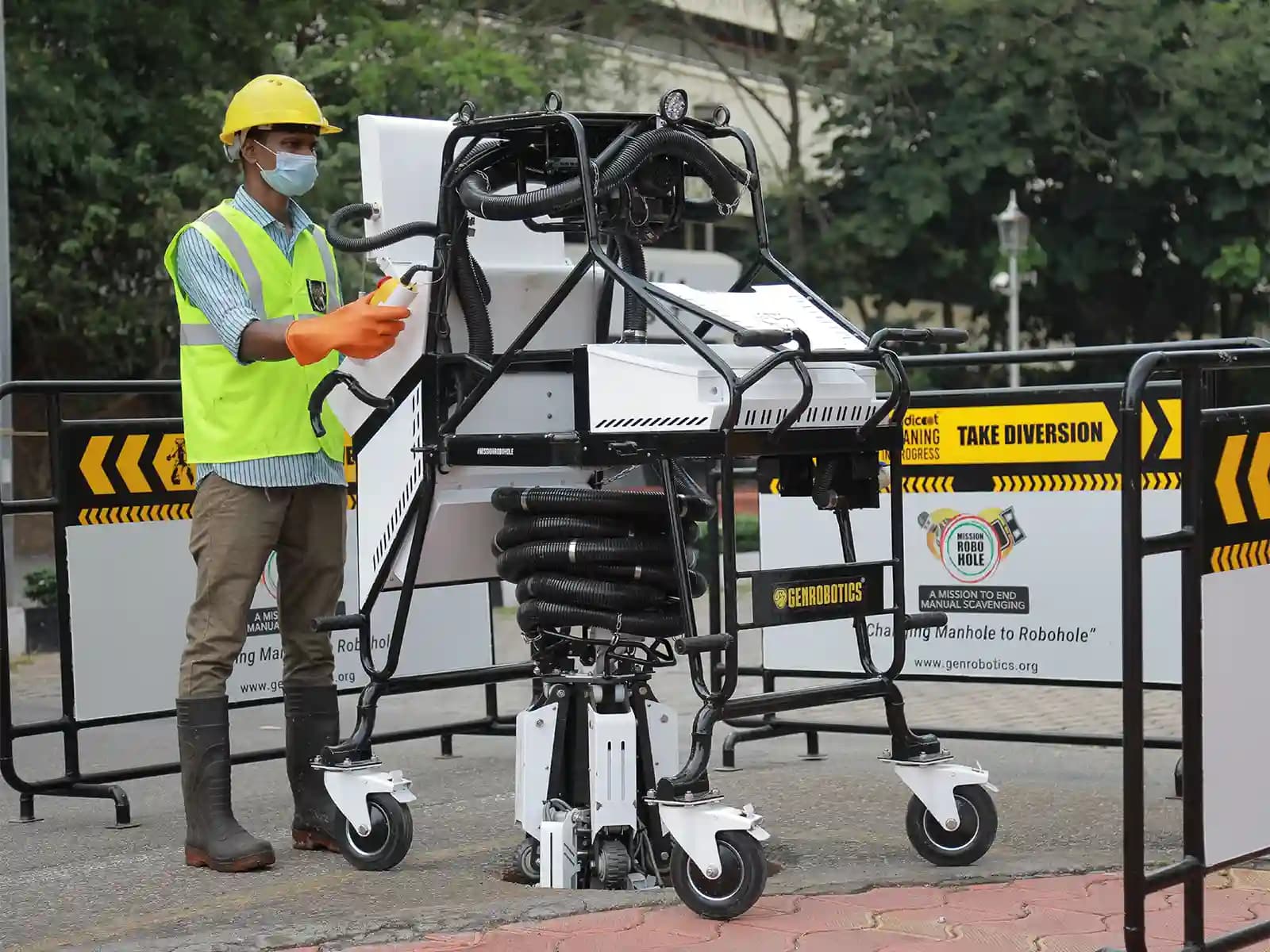

Automating the extraction of solid waste and sludge from manholes and sewers.
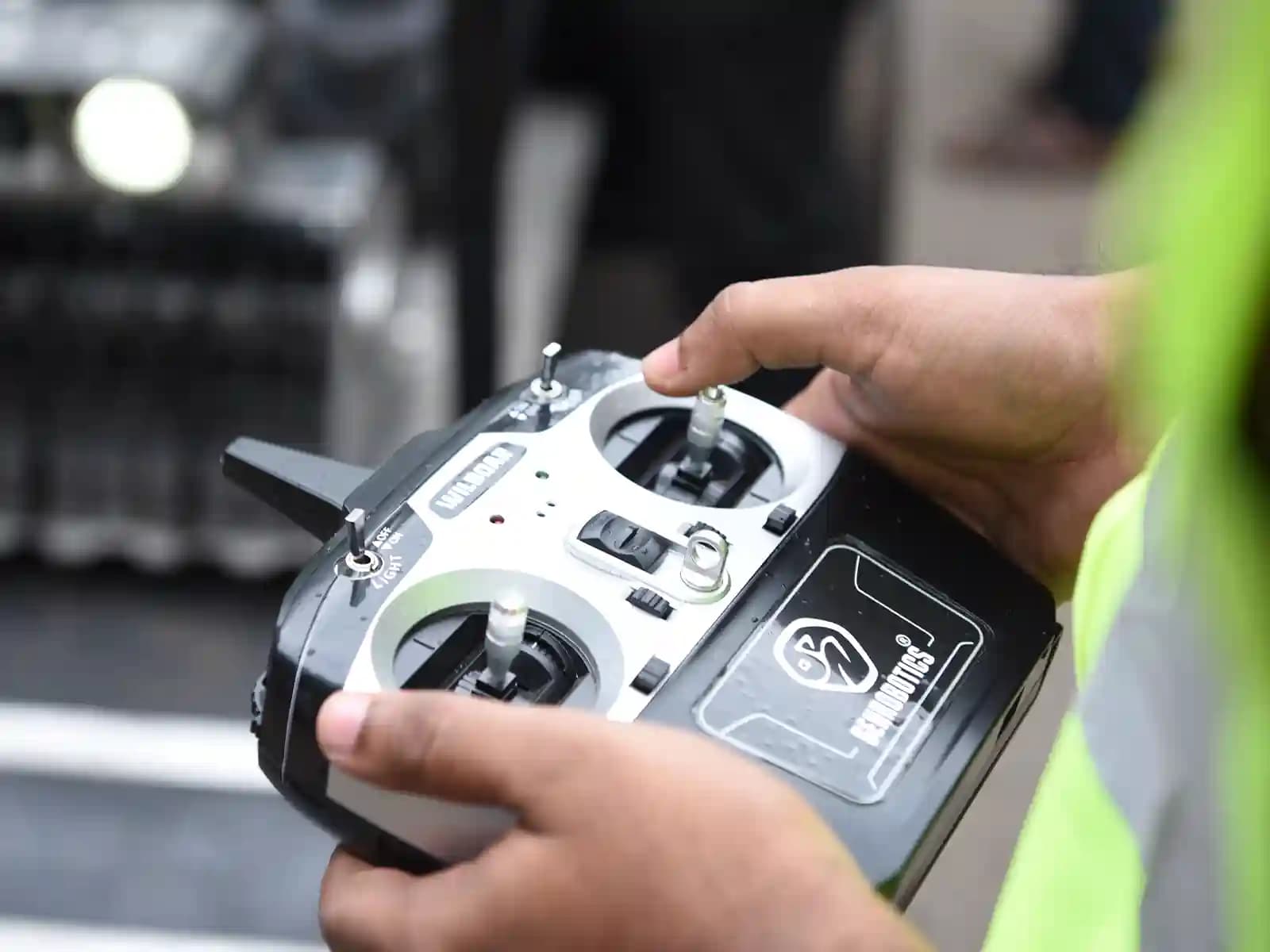

Remote cleaning solutions for silos, chemical tanks, and processing plants.


Providing data-driven proof of cleanliness and safety compliance.
Automating the extraction of solid waste and sludge from manholes and sewers.
Remote cleaning solutions for silos, chemical tanks, and processing plants.
Providing data-driven proof of cleanliness and safety compliance.

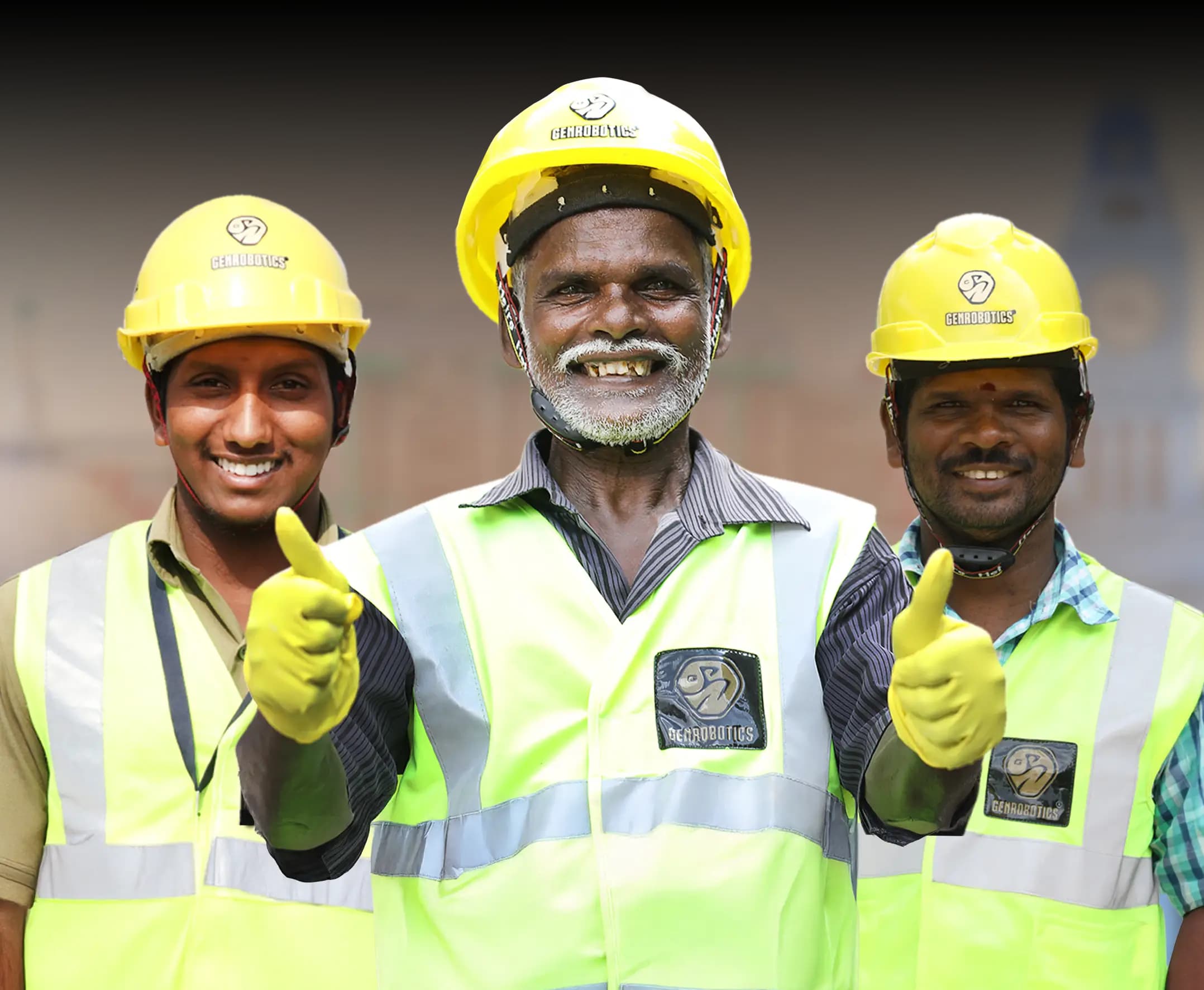
Genrobotics is a pioneer in transitioning sanitation workers into skilled operators of advanced robotic systems, having trained thousands of workers through its programmes.
We believe that hazardous environments should be the domain of machines, not humans. Our tech is designed to be "human-assistive," meaning it empowers the worker rather than replacing them.
